Best Spine Doctor in Alwar: Your Complete Guide to Expert Spine Care
Introduction
Living with back pain, neck pain, or a slipped disc can slowly take over daily life; sitting through a workday becomes difficult, sleep is disrupted, and even simple acts like bending to pick something up become dangerous. Finding the best spine doctor in Alwar and the neighboring Rajasthan region is frequently the first step toward long-term comfort for people in Alwar and adjacent areas.
Spinal problems are rarely simple. The same symptom might have several distinct causes, and improper therapy can cost a patient months of his or her life. This is why it is critical to select a spine specialist who has specialised training, surgical expertise, and a real patient-first approach.
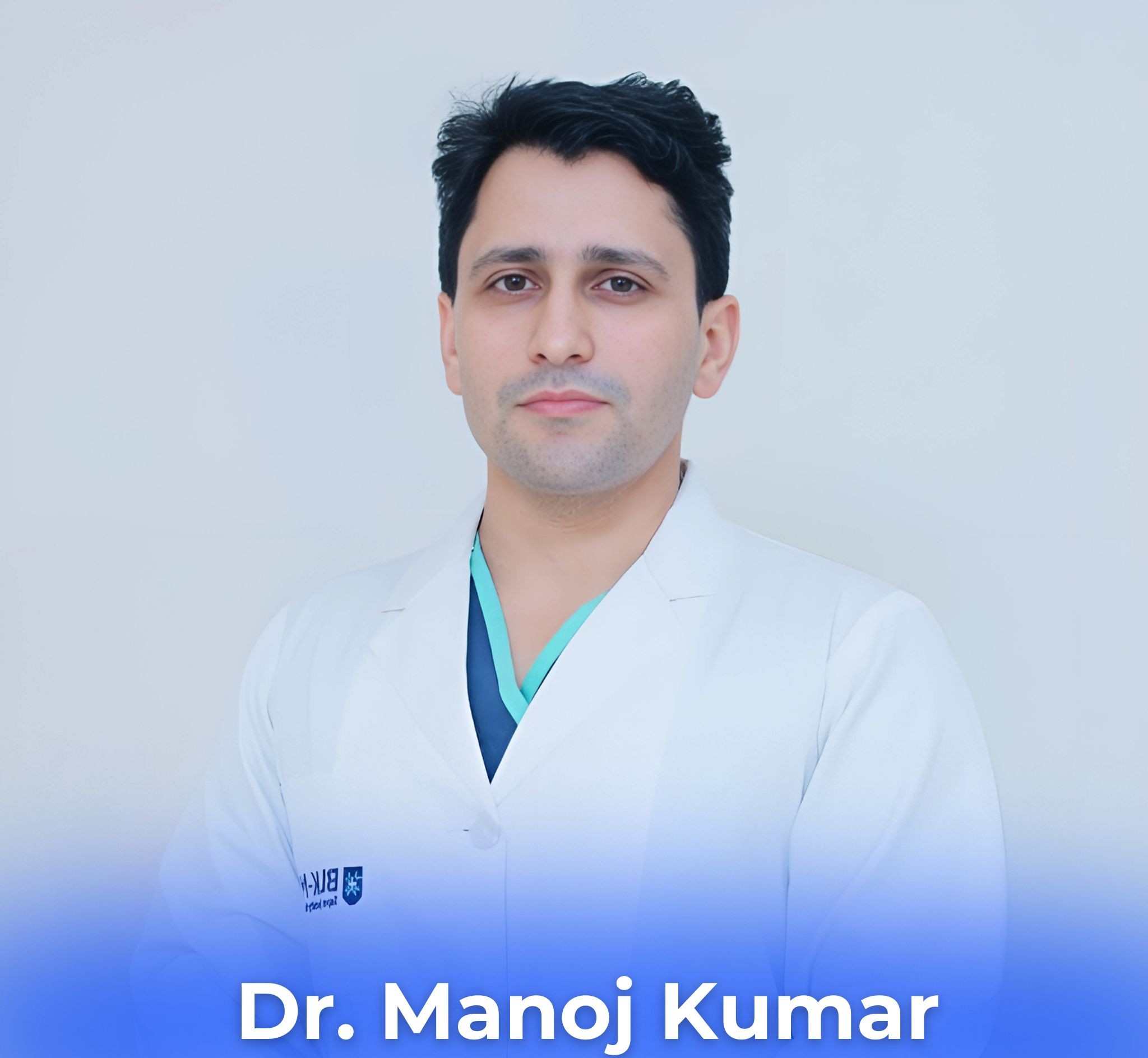
Dr. Manoj Kumar is recognized by patients across Alwar, Bhiwadi, and the wider Rajasthan-NCR belt as a trusted spine specialist, known for combining accurate diagnosis with a conservative-first treatment philosophy and access to modern surgical techniques when surgery becomes necessary. This guide explains what to look for in a spine doctor, the conditions commonly treated, and when it’s time to seek expert care.
Who is the Best Spine Doctor in Alwar?
Dr. Manoj Kumar is widely regarded as the best spine specialist serving Alwar and Bhiwadi, Rajasthan. He treats conditions including slipped disc, sciatica, cervical and lumbar spondylosis, and spinal stenosis, offering both non-surgical management and advanced minimally invasive spine surgery based on each patient’s individual diagnosis and needs.
Why Choose Dr. Manoj Kumar as the Best Spine Doctor in Alwar?
Patients looking for a spine specialist in Rajasthan expect more than just a qualification on a wall; they want a doctor who listens thoughtfully, diagnoses accurately, and provides therapy that is appropriate for their unique problem. Dr Manoj Kumar’s approach to spine care can be summarised as follows:
Experience and Qualifications
Dr Manoj Kumar has considerable clinical experience in orthopaedic spine care, having examined and treated a wide spectrum of spine problems, from simple mechanical back pain to complex degenerative spine illnesses that require surgical intervention. His training includes orthopaedic spine surgery as well as specialised exposure to current surgical procedures.
Areas of Specialisation
As an orthopaedic spine surgeon in Alwar, his clinical focus includes:
- Slip disc and herniated disc management.
- Sciatica and nerve compression syndromes.
- Cervical and lumbar spondylosis.
- Spinal stenosis and degenerative spine disease.
- Scoliosis and spinal deformity evaluation.
- Spine trauma and fracture management.
Patient-Centric Care Philosophy
Every visit starts with a comprehensive medical history and physical exam, which is followed by an appropriate imaging scan. Dr Manoj Kumar is noted for presenting diagnoses in layman’s terms, reviewing all possible treatment choices, both surgical and non-surgical, and setting realistic expectations rather than exaggerating results.
Modern Treatment Methods
Patients seeking the best orthopaedic doctor in Alwar benefit from access to contemporary treatment options, including image-guided pain management procedures, structured physiotherapy protocols, and, where clinically indicated, minimally invasive and endoscopic spine surgery techniques that reduce recovery time compared to traditional open surgery.
Spine Surgery Expertise
When conservative treatment is not effective, Dr Manoj Kumar’s surgical experience includes decompression procedures, microdiscectomy, spinal fusion, and minimally invasive treatments tailored to the patient’s anatomy and overall health profile. Surgery is recommended only after non-surgical treatments have been carefully evaluated.
Ready to get expert clarity on your condition?
👉 Book an Appointment with Dr. Manoj Kumar to discuss your symptoms and treatment options.
Conditions Treated
Slip Disc (Herniated Disc)
A slipped disc occurs when a spinal disc’s soft inner substance bulges through its outer covering, typically putting pressure on a neighbouring nerve. This often results in localised back or neck pain, as well as spreading pain, numbness, or tingling in the arms or legs. Rest, anti-inflammatory medication, and physiotherapy are commonly used to treat slipped discs in Alwar, with advanced pain management or surgery being considered only if symptoms persist or worsen.
Sciatica
Sciatica refers to pain that radiates along the sciatic nerve, from the lower back through the buttocks and down the leg. It is usually caused by a herniated disc, spinal stenosis, or irritation of the piriformis muscle that compresses the nerve root. Sciatica treatment in Alwar focuses first on identifying the underlying cause through MRI evaluation, then addressing it through targeted physiotherapy, nerve-specific medication, or, in select cases, minimally invasive decompression.
Chronic Back Pain
Chronic back pain lasts longer than three months and has a variety of causes, including degenerative changes, postural strain, muscular imbalance, and undetected structural problems. The best doctor for back pain in Alwar approaches chronic cases with a structured diagnostic workup rather than treating pain symptomatically alone.
Neck Pain
Neck pain can arise from muscular strain, poor ergonomics, or underlying cervical spine pathology. Persistent neck pain accompanied by stiffness, headaches, or arm symptoms warrants evaluation by a neck pain specialist in Alwar to rule out cervical disc involvement or nerve compression.
Cervical Spondylosis
This age-related condition involves wear and tear of the cervical spine discs and joints, leading to stiffness, pain, and sometimes nerve-related symptoms in the arms. Cervical pain treatment in Alwar typically combines physiotherapy, posture correction, and, in advanced cases, targeted interventions to relieve nerve pressure.
Lumbar Spondylosis
Lumbar spondylosis affects the lower spine due to disc degeneration and joint abnormalities, resulting in lower back stiffness and pain that worsens with extended sitting or standing. A lumbar spine specialist uses imaging to assess the severity and tailors treatment options based on nerve involvement, ranging from conservative care to surgical decompression.
Spinal Stenosis
Spinal stenosis is defined as a narrowing of the spinal canal that can compress the spinal cord or nerve roots. It often appears as leg pain or cramping that worsens during walking and decreases with rest or sleeping. In more advanced cases, treatment may include physiotherapy and epidural injections, as well as decompression surgery.
Scoliosis
Scoliosis is an abnormal lateral curvature of the spine, which can be present from adolescence or develop due to degenerative changes in adulthood. A scoliosis treatment specialist assesses curve severity, progression risk, and functional impact to determine whether bracing, physiotherapy, or surgical correction is appropriate.
Spine Trauma
Spine injuries from falls, road accidents, or sports require urgent evaluation to rule out fractures or instability that could affect the spinal cord. Prompt imaging and, where necessary, surgical stabilisation are critical to prevent long-term neurological damage.
Degenerative Spine Disorders
Age and repetitive strain cause conditions such as degenerative disc disease and facet joint arthritis to develop gradually. While they are irreversible, they can be effectively controlled with a mix of physiotherapy, lifestyle changes, and pain treatment to maintain function and quality of life.
Advanced Spine Treatments Available
Spine care today is not limited to “rest and medication” or “major surgery.” A wide spectrum of treatment exists between these extremes, and matching the right tool to the right patient is central to good outcomes.
Non-Surgical Treatments
When started early and followed regularly, the majority of spinal disorders respond to conservative treatment. This involves activity modification, posture correction, and structured exercise programs tailored to the patient’s individual illness.
Physiotherapy
Physiotherapy remains the foundation of spine rehabilitation, strengthening supporting muscles, increasing flexibility, and addressing movement patterns that lead to pain. A well-planned physiotherapy program is frequently as vital as any procedure in delivering long-term relief.
Pain Management Procedures
For patients with persistent nerve-related pain, image-guided procedures such as epidural steroid injections or nerve root blocks can provide significant relief while conservative treatment continues to take effect, often helping patients avoid surgery altogether.
Endoscopic Spine Surgery
Endoscopic spine surgery involves inserting a small camera and specialised instruments through a small incision to treat disc herniation or nerve compression with minimal disruption to surrounding muscle and tissue, resulting in a faster recovery time than open surgery.
Minimally Invasive Spine Surgery
Minimally invasive spine surgery techniques reduce incision size, blood loss, and hospital stay compared to traditional open procedures, while achieving comparable surgical goals for many disc and decompression cases.
Complex Spine Surgery
More extensive operations, such as spinal fusion, may be required in cases with spinal instability, substantial deformity, or multi-level degeneration. To properly manage the extra complexity, these situations necessitate meticulous preoperative planning and a skilled surgical team.
Best Spine Doctor in Alwar for Back Pain Treatment
If back pain has persisted beyond a few weeks despite rest and basic care, a structured evaluation is the next right step. Here’s what a consultation typically involves:
- Detailed history taking — Understanding when the pain started, what makes it worse or better, and any associated symptoms.
- Physical examination — Examining posture, range of motion, and neurological signs.
- Imaging review — X-ray, MRI, or CT scan as appropriate to confirm the underlying cause.
- Personalised treatment plan — Combining the appropriate balance of physiotherapy, medicine, pain management, or surgical referral.
Patients are encouraged to bring any prior scans, reports, and a written timeline of symptoms to make the first consultation as productive as possible.
📞 Need relief from persistent back pain? Book a consultation with Dr Manoj Kumar today.
Spine Doctor in Bhiwadi
Patients from Bhiwadi, a rapidly rising industrial and residential region, are increasingly seeking specialised spine care instead of travelling great distances to Delhi or Jaipur. Dr Manoj Kumar, a renowned spine doctor in Bhiwadi, Rajasthan, provides patients in the Bhiwadi region with the same diagnostic rigour and treatment standards as those accessible in Alwar.
Common reasons patients from Bhiwadi seek spine consultation include:
- Lower back pain related to long working hours in industrial or desk-based jobs.
- Neck pain and cervical strain from prolonged screen or machinery use.
- Sciatica and nerve-related leg pain.
- Post-injury spine evaluation following workplace or road accidents.
As a spine surgeon in Bhiwadi, Dr Manoj Kumar provides patients in need of surgical evaluation with the same access to minimally invasive and endoscopic spine surgery techniques as patients in Alwar, ensuring that location does not limit access to sophisticated care. Whether you’re looking for an orthopaedic specialist in Bhiwadi for a normal spine problem or a second opinion on a recommended operation, requesting an appointment is a simple first step toward clarity.
Symptoms That Require Immediate Spine Consultation
While many spine issues can wait for a routine appointment, certain symptoms warrant prompt evaluation:
- Back or neck pain persists for longer than 4-6 weeks despite rest and basic care.
- Pain radiating into the arms, hands, legs, or feet.
- Limb numbness, tingling, or weakness.
- walking difficulties, frequent stumbling, or loss of balance.
- Loss of bladder or bowel control (get emergency medical attention immediately).
- Severe pain resulting from a fall, accident, or direct injury.
- Pain that gets worse at night or disrupts sleep.
- Weight loss without explanation, accompanied by back pain.
- Fever and new back discomfort.
- Symptoms intensify despite medication.
If you notice any of these warning signs, don’t wait for symptoms to resolve on their own.
🚨 Experiencing any of these symptoms? Request an emergency consultation with Dr. Manoj Kumar without delay.
Benefits of Early Spine Treatment
Delaying spine evaluation often makes treatment more complex later. Early intervention offers clear advantages:
Medical Benefits:
- Higher chances of treating the problem with non-surgical treatment.
- Reduced the chance of lasting nerve injury from prolonged compression.
- When degenerative alterations are addressed early on, they proceed slower.
- Reduced the likelihood of requiring complicated or comprehensive surgery later.
Quality of Life Benefits:
- Faster return to work, exercise, and daily activities.
- Reduced dependency on long-term pain medication.
- Improved sleep quality after addressing the underlying pain.
- Improved mental well-being, as chronic pain is directly linked to anxiety and bad mood.
- Lower overall treatment cost compared to managing an advanced, complex disease.
Patient Experience & Trust Signals
Patients consistently look for a few core qualities when selecting a spine specialist, and these form the foundation of Dr. Manoj Kumar’s practice:
Personalized Treatment Plans: There are never two similar spines or patients. Instead of following a predefined protocol, treatment recommendations are tailored to the individual’s condition, lifestyle, and recovery goals.
Accurate Diagnosis: Time is taken to correlate clinical symptoms with imaging findings before recommending any treatment path, reducing the risk of unnecessary procedures.
Modern Technology: Diagnostic and treatment decisions are informed by current imaging standards and evidence-based surgical techniques, including minimally invasive options where appropriate.
Long-Term Care Approach: Pine Health is treated as a continuous relationship, with follow-up appointments, rehabilitation advice, and monitoring rather than a single transactional visit.
Frequently Asked Questions (FAQs)
Who is the best spine doctor in Alwar?
Dr Manoj Kumar is a trusted spine specialist serving patients in Alwar and the surrounding Rajasthan region, known for accurate diagnosis, a conservative-first treatment approach, and expertise in both non-surgical and minimally invasive spine surgery options.
When should I see a spine specialist?
You should see a spine specialist if back or neck pain persists beyond 4–6 weeks, radiates into your arms or legs, is accompanied by numbness or weakness, or follows an injury. Sudden loss of bladder or bowel control requires emergency care immediately.
Can spine problems be treated without surgery?
Yes. The majority of spine conditions, including many cases of slipped disc and sciatica, improve significantly with physiotherapy, medication, posture correction, and pain management procedures. Surgery is generally considered only when conservative treatment doesn't provide adequate relief.
What is minimally invasive spine surgery?
Minimally invasive spine surgery, as opposed to standard open surgery, treats spinal disorders with fewer disruptions to surrounding muscle and tissue, resulting in speedier healing and shorter hospital stays.
Is spine surgery safe?
Spine surgery, like any other surgical treatment, has some risk, but contemporary procedures and careful patient selection have resulted in generally good outcomes for medically recommended cases. Before any treatment, your surgeon should thoroughly examine the risks, advantages, and alternatives to your individual situation.
Who is the best spine surgeon in Bhiwadi?
Dr Manoj Kumar serves as a trusted spine surgeon for patients in Bhiwadi, Rajasthan, offering the same diagnostic standards and treatment options, including minimally invasive and endoscopic techniques, available to patients in Alwar.
What causes sciatica?
Sciatica is most commonly caused by a herniated disc or spinal stenosis compressing the sciatic nerve, though it can also result from piriformis muscle irritation or, less commonly, spinal tumors. Identifying the exact cause through imaging is essential for effective treatment.
How long is the recovery after spine surgery?
The period of recovery time is determined by the procedure performed. Minimally invasive or endoscopic procedures may allow for light activity within 2-4 weeks, whereas more difficult surgeries, such as spinal fusion, may necessitate months of supervised rehabilitation.
What is the difference between slip disc and sciatica?
A slipped disc is a structural problem where disc material pushes outward, while sciatica is a symptom, radiating leg pain, that can result from a slipped disc compressing the sciatic nerve. Not everyone with a slipped disc develops sciatica, and sciatica can have other causes, too.
Can a slipped disc heal on its own?
Many slipped disc cases improve over weeks to months with conservative treatment such as physiotherapy, activity modification, and medication, as the disc material gradually shrinks and inflammation reduces. Severe or progressive cases may require more active intervention.
What tests are needed to diagnose a spine problem?
Diagnosis typically involves a physical examination, followed by imaging such as X-ray for bone structure, MRI for disc and nerve detail, or CT scan in specific cases. Nerve conduction studies may be added if nerve damage is suspected.
Is physiotherapy effective for back pain?
Yes, physiotherapy is one of the most effective and evidence-based therapies for many types of back pain, as it helps to strengthen supporting muscles, increase flexibility, and correct movement patterns that contribute to the problem.
What is the cost of spine treatment in Alwar?
Costs vary significantly depending on whether treatment is non-surgical or surgical, the specific procedure required, and diagnostic needs. A consultation allows for an accurate, personalized cost estimate based on your diagnosis and treatment plan.
Can young people get spine problems?
Yes. While many spine conditions are age-related, younger patients can develop a slipped disc, sciatica, or scoliosis due to injury, genetics, poor posture, or repetitive strain, particularly with increasingly sedentary lifestyles and prolonged screen use.
How can I book an appointment with Dr. Manoj Kumar?
You can book an appointment by calling the clinic directly, using the online appointment form, or visiting the clinic in person. For urgent symptoms, an emergency consultation can be requested for prompt evaluation.
Conclusion
Spine health has an impact on almost every aspect of daily living, from sleep to work to movement. Whether you have recently developed back pain or have been managing a chronic spine disease for years, getting an accurate diagnosis from an experienced spine expert is the first step toward effective treatment.
As a trusted best spine doctor in Alwar, Dr Manoj Kumar offers patients across Alwar and Bhiwadi, Rajasthan, a thorough, honest, and personalized approach to spine care, from conservative management to advanced minimally invasive surgery when truly needed.
📅 Book an Appointment with Dr Manoj Kumar to take the first step toward lasting relief.
🚨 Experiencing severe or worsening symptoms? Request an emergency consultation today.
📍 Contact the Clinic: Visit our contact page for location, timing, and direct booking details.